GET IN TOUCH TODAY!
"*" indicates required fields

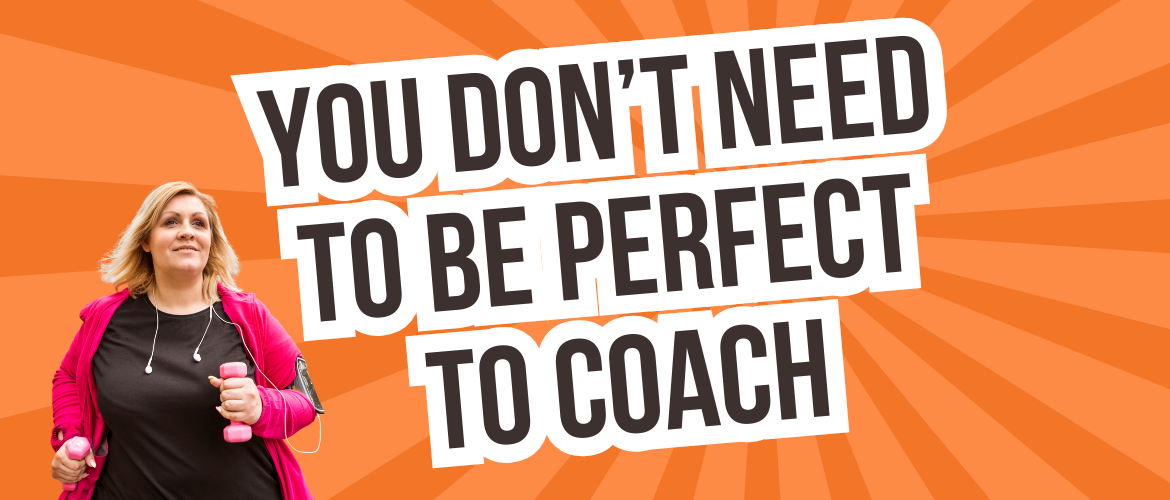
If you’ve ever looked around a gym and thought, “I’d love to help people train,” only to follow it up with, “but I’m not good enough,” you’re not alone. Almost every aspiring personal trainer we speak to has a moment (or several) where they wonder whether they’re fit enough, confident enough, experienced enough, or knowledgeable enough to step into a coaching role.
The truth is this: the best personal trainers are not the most shredded, loudest, or most confident people in the room. They’re the ones who care, who listen, who have walked their own fitness journey, and who genuinely want to make exercise feel safe and accessible for others.
This Q&A blog is here to answer the questions that keep most people stuck on the edge of becoming a personal trainer. If you’re unsure whether you’re “good enough”, this is for you.
No. You do not need visible abs, a magazine-cover physique, or elite-level conditioning to be a successful personal trainer.
Most clients don’t want the most chiselled coach in the gym. They want someone:
relatable
knowledgeable
supportive
patient
non-judgemental
In fact, many of the best trainers have come from their own transformations. They’ve lost weight, built confidence, overcome injuries, or used fitness to improve their mental health. This gives them empathy and connection with real clients who feel out of place or intimidated.
Looking like a fitness model has never been a requirement for becoming a personal trainer. Being able to coach, listen, encourage, and guide is what matters.
Not at all. Our course exists to teach you what you need to know.
This is one of the biggest misconceptions people have. Many future trainers worry:
“I don’t know enough anatomy.”
“My technique isn’t perfect.”
“I don’t know how to write programmes.”
Here’s the good news: nobody starts the course already knowing how to coach. That’s the whole point.
A good course will teach you:
how to plan sessions
how to coach safely
how to assess technique
how to adapt exercises
how to build programmes
how to communicate effectively
Your job when starting is not to be an expert. It’s to be willing to learn.
Confidence comes from competence, not the other way round. Once you understand how to coach, how to give cues, and how to break exercises down, confidence grows naturally.
Most new trainers are nervous before their first workshop. Many say things like:
“I’m worried I’ll freeze up.”
“I’m shy.”
“I don’t want to look stupid.”
But after practising in a supportive environment, almost every student comes out feeling more confident than they thought possible.
Coaching is a skill, and like any skill, you build it through:
guidance
feedback
repetition
practical experience
If you can learn to squat, deadlift or bench press, you can learn to coach.
This is more common than you think. Many students haven’t done any formal learning since school, and lots worry they won’t be able to keep up.
Our courses are designed to be accessible, with:
clear explanations
structured lessons
practical assessments
support available when you need it
You don’t need to be academically gifted. You simply need to be willing to engage, practise, and ask for help when you’re unsure.
If you’re choosing the right training provider, you’ll never be left to figure things out alone.
Yes — our courses are designed for people with busy lives.
Most learners complete their qualifications around:
full-time work
shift patterns
childcare
family responsibilities
social commitments
The key is having a course that allows you to work at your own pace, with support available whenever you need direction.
The bigger question isn’t “Do I have time?”
It’s “Can I afford to stay in a job that drains me when I want something more meaningful?”
Becoming a personal trainer is often the first step towards a more flexible, fulfilling lifestyle.
This might surprise you, but clients don’t expect you to be the fittest person in the gym. They want someone who understands real-life challenges — time, stress, kids, work, fatigue.
Many of the most inspiring coaches have:
been overweight
struggled with consistency
felt intimidated in the gym
dealt with low confidence
Their journey is their advantage. Clients find that much more relatable than someone who has trained their whole life and never struggled.
Your lived experience makes you valuable.
Becoming a personal trainer doesn’t require a sudden leap into full-time self-employment. Most people start small:
1 to 3 clients a week
evenings or weekends
training friends or colleagues
building slowly while learning
You don’t need to quit your job overnight. You grow your PT business at a pace that works for your life.
And once you’re qualified, there are multiple pathways:
gym-based PT
online coaching
small-group training
Hyrox or functional coaching
outdoor training
strength and conditioning
exercise referral
special populations
sports coaching
hybrid PT + another job
It’s not one-size-fits-all. It’s a flexible career you shape around you.
It isn’t fitness.
It isn’t knowledge.
It isn’t personality.
It isn’t confidence.
It’s simply this:
They take the first step.
Successful trainers are the ones who sign up, show up, ask questions, get feedback, and keep improving.
They’re not perfect. They’re consistent.
If you care about people, love training, want to make a difference, and are willing to learn, the answer is absolutely yes.
The industry needs more coaches who are:
relatable
kind
supportive
empathetic
real
You don’t need to be the loudest, fittest, strongest or most confident. You need to be someone who genuinely wants to help.
If that’s you, you’re already halfway there.
If becoming a personal trainer feels like the right path for you, the next step is simple.
Visit our website to explore the Level 2 Gym Instructor and Level 3 PT qualifications. If you’d like guidance choosing the right route, fill out the contact form and we’ll help you map out a clear plan.
If you want the fastest route to confidence, competence and success, our Elite Package is the best choice. It’s the programme our most successful graduates choose.
If you’d prefer to experience our approach before enrolling, you can also arrange a free workshop taster or join one of our free introductory webinars. Just send us a message and we’ll get you booked in.
You bring the passion.
We’ll help you build the confidence.
"*" indicates required fields