GET IN TOUCH TODAY!
"*" indicates required fields

What makes a good coach? Knowledge of your sport matters, but so does understanding the person standing in front of you.
In my latest podcast interview, I caught up with boxing coach and former student Harry Radenhurst. I had the pleasure of teaching Harry during his sport and exercise studies and his Level 2 Gym Instructor qualification.
Our conversation explored his journey from a shy teenager to a passionate coach, the difference between making someone fitter and simply making them tired, and why the best coaches keep learning.
Whether you want to become a personal trainer, already work in fitness or coach a sport, Harry’s experiences offer some useful lessons.
Harry discovered boxing at around 13 after falling out of love with football. The culture around football had not suited him, and boxing gave him somewhere he felt he belonged.
He describes himself at that age as shy and anxious. Stepping into the ring helped him discover confidence he had not realised he possessed.
His mum was surprised when he had his first fight. For Harry, that reaction highlighted just how much he had changed.
Later, he moved from studying A levels to attending a boxing academy. Although he enjoyed subjects such as philosophy, sociology and history, the opportunity to train every day appealed to him.
As he developed as a boxer, another interest began to emerge: coaching.
When lockdown brought competition to a halt, Harry had time to reflect on what he wanted to do. He began coaching at 18 and went on to establish an amateur boxing club while at university.
The experience that had helped him believe in himself became something he wanted to offer others.
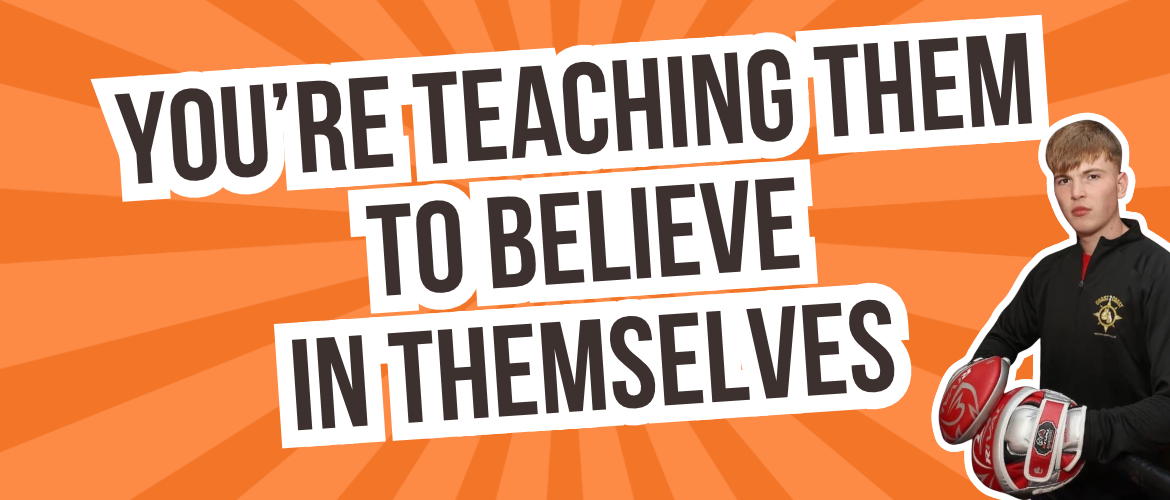
“You’re not just teaching them to box, you’re teaching them to believe in themselves.”
That is a powerful reason to become a coach. You get to help someone develop a skill and discover what they are capable of.
Harry’s early interest in sociology and philosophy might seem a long way from boxing. Looking back, he can see how those subjects connect with his work.
Sociology encourages him to think about the backgrounds of the people he coaches. What opportunities have they had? What challenges are they facing? What might affect their ability to attend training?
Philosophy connects with the values behind his coaching. What does he stand for? How does he want to treat people? What does success mean to him?
These questions matter in personal training too.
Two clients can arrive with the same fitness goal and need very different support. One might need encouragement to try something unfamiliar. Another might need help slowing down and following a manageable plan.
A good coach takes the time to understand those differences.
For Harry, being interested in people and human behaviour is central to the job. Knowing boxing techniques gives him something to teach. Understanding people helps him teach it effectively.
During our conversation, I shared an idea I often discuss with students and graduates: your client or athlete is the hero of the story.
You are their guide.
This idea comes from the StoryBrand approach to business, but it translates well to coaching. Your role is to support someone else’s progress through clear instruction, encouragement, feedback and appropriate challenges.
Harry recognised this immediately.
A boxing coach can prepare an athlete, support them in training and offer advice from the corner. Once the boxer steps into the ring, they have to perform.
That deserves recognition.
The same applies when a personal training client completes their first press-up, becomes confident in the gym or builds a consistent exercise habit. They are the person doing the work.
Being proud of your coaching is healthy. Keeping the client’s needs and achievements at the centre of it helps you use that pride constructively.
Harry completed two years of sport, health and exercise science studies before choosing sports coaching for his third year.
Studying coaching helped him understand some of the things he was already doing instinctively. It also introduced ideas he could take into his sessions.
He described hearing the term “pracademic” on a coaching course: someone who combines practical experience with academic understanding.
That combination appealed to him.
Experience gives you opportunities to observe people, solve problems and learn what happens in real sessions. Education helps you question your assumptions and explain why you choose a particular approach.
Our discussion touched on training habits passed down through boxing gyms without much questioning. I recalled being told to spit out water during a training session, despite having no fight coming up.
Experiences like that show why coaches need to ask questions rather than follow a practice simply because it is familiar.
A useful question is:
What is the purpose of this, and does it suit the person I am coaching?
Harry’s decision to complete his Level 2 Gym Instructor qualification reflected that willingness to broaden his understanding and improve the support he could offer his boxers.
One of the most useful parts of our conversation concerned the difference between helping someone improve and making them exhausted.
Harry shared a phrase used in boxing:
“When a boxing coach doesn’t know how to make someone better, they try to make them tougher.”
It is a challenging observation, and one worth considering in the wider fitness industry.
A demanding session can feel satisfying. Clients may enjoy working hard and leave feeling they have achieved something. But effort alone does not tell us whether the session met its objective.
We discussed how session structure should reflect what you are trying to teach or develop. Harry explained that he usually wants his boxers to be sharp for technical work. He also described using fatigue deliberately on some occasions, with a specific coaching purpose.
The wider lesson for personal trainers is to be able to explain your choices.
Before a session, ask yourself:
Those questions give your coaching direction. They also help clients understand the value of what they are doing beyond how tired they feel afterwards.
I asked Harry about personal trainers incorporating pad work into their sessions.
His response was supportive, with a clear distinction.
He sees value in activities that get people moving, enjoying exercise and trying something different. Fitness pad work can be part of that.
However, holding pads does not automatically make someone a boxing coach.
Teaching boxing for competition involves a different depth of knowledge and responsibility. Harry also cautioned against people assuming that attending a fitness boxing class means they can defend themselves.
This is something I make clear when teaching pad work workshops. I explain my experience and qualifications, what I can teach and where my expertise ends.
For fitness professionals, the lesson is straightforward: describe your skills honestly and recognise when someone needs a specialist.
You can deliver an enjoyable session while being clear about its purpose and your scope of practice.
Harry’s coaching journey has taken him beyond the UK, including a period working in Malaysia.
An opportunity developed after he began coaching there and sharing content on TikTok. A businesswoman approached him about helping establish coaching at her gym, leading to several months of work.
He now wants to visit more boxing gyms around the world, learn from different coaches and document the experience.
What stood out was his attitude towards learning.
Harry described entering gyms with humility, showing that he was eager to learn rather than trying to prove how much he already knew. In his experience, that approach encouraged other coaches to help him.
It is an attitude any fitness professional can adopt.
Attend a workshop. Observe another coach. Ask why they use a particular approach. Try being the learner again.
You do not need to travel internationally to find someone who can teach you something valuable.
Harry also spoke honestly about perfectionism.
He wants to share more content, but sometimes records something, decides it is not good enough and leaves it unpublished.
That reluctance to be a beginner appears in other areas too. Despite his boxing experience, he described finding it uncomfortable to feel less capable in the weights gym.
Many of us will recognise that feeling.
You might know a lot about fitness but feel nervous coaching your first client. You might want to record a video but dislike watching yourself back. You might be considering a qualification and worry about returning to study.
Harry’s experience is a reminder that confidence often develops through participation. You give yourself something to learn from by taking the first step.
What I enjoyed most about this interview was Harry’s enthusiasm for helping people and improving his craft.
He is ambitious about coaching, but he recognises that becoming better involves understanding people, continuing his education and learning from others.
His journey offers several useful principles:
These are habits you can begin developing long before you feel like an experienced coach.
If Harry’s story has made you think about turning your interest in fitness into a career, explore the qualifications available at Storm Fitness Academy.
If you are unsure which route suits you, get in touch via the form below. We can have a conversation about your experience, goals and the best pathway for you.
You can also find Harry’s boxing content on Instagram and TikTok by searching Hurst_Boxing.
Subscribe to the Storm Fitness Academy podcast for more conversations with coaches, fitness professionals and former students.
"*" indicates required fields